EARNING MONEY – WAGES
Unit Overview
In this unit, the student will learn how wages are earned in business and industry. The components of a paycheck, including benefits and deductions, will also be stressed.
The Labor Market
According to the Federal Reserve, there are four components that make up business and industry. They are labor, capital, natural resources and entrepreneurship.
Click here to view The Labor Market for additional information.
Answer Assessment questions 1-11.
Wages
Hourly vs. Salary
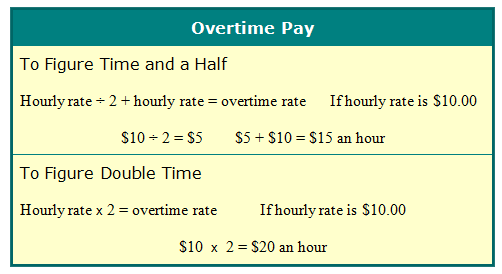
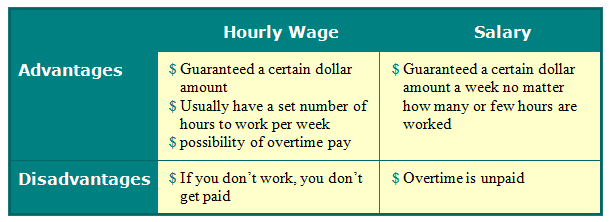
Most people begin their work life earning an hourly wage. Workers in some jobs such as food service and the trades (carpenter, electrician, etc. ) are paid by the hour. In other occupations such as business, medicine, and education, workers are paid a salary (a fixed annual sum paid at regular intervals). A salary is usually not an option until you have achieved a certain level of experience, education or skill in the work world. When your job pays an hourly wage, you earn a certain dollar amount for every hour you work. If you work more than forty hours a week, most employers compensate you by paying “time and a half” or one and one-half times your usual hourly rate. If you work holidays, some businesses pay “double time” or twice your customary hourly rate.
  |
The Benefit of Benefits
When asked how much money we make, most of us would answer with the amount we earn such as $12 an hour or $30 thousand a year. Equally important are the benefits that go along with the job. According to the U.S. Department of Labor the most common employee benefits are:
Health Insurance – Many employers pay all or part of their employees’ medical insurance and some even cover dental along with vision.
Retirement Plans – Many employers offer some type of retirement savings plan. With many of these, both the employer and the employee make a contribution.
Paid Leave – This benefit includes paid vacations, sick time and personal days.
Life and Disability Insurance – We talked about the different types of insurance in a previous unit. Some businesses offer their employees life and disability insurance, which saves the workers additional out-of-pocket expenses.
Educational Assistance – Some employers will pay all or part of the employees’ continuing education costs.
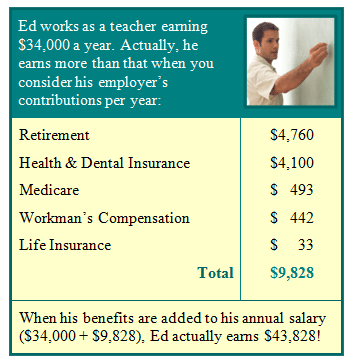
**If you add the costs of these benefits to your salary, you might be surprised how much you are actually earning.
Look over the following example which illustrates the added profit of benefits.
 |
Answer Assessment questions 12–17.
Wages - Understanding Your Paycheck
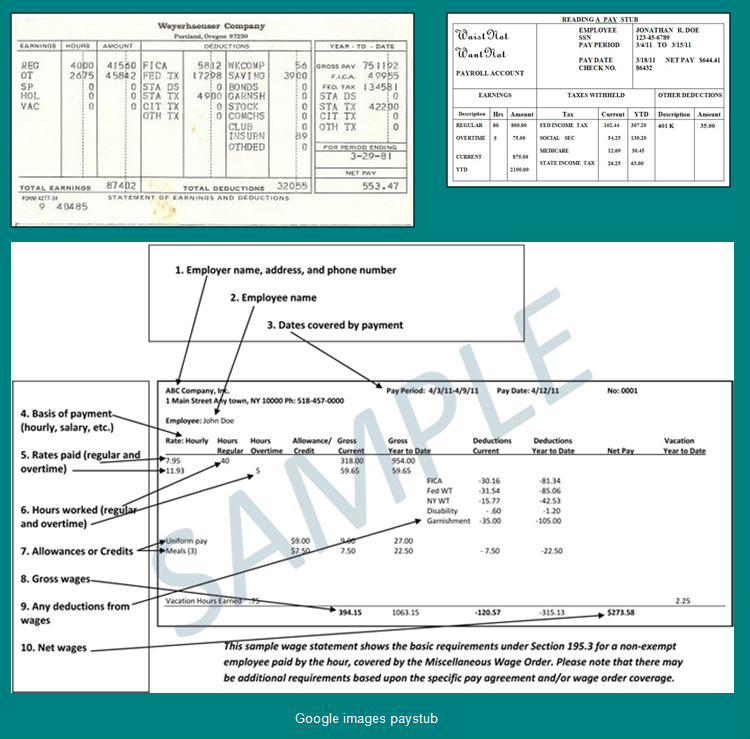
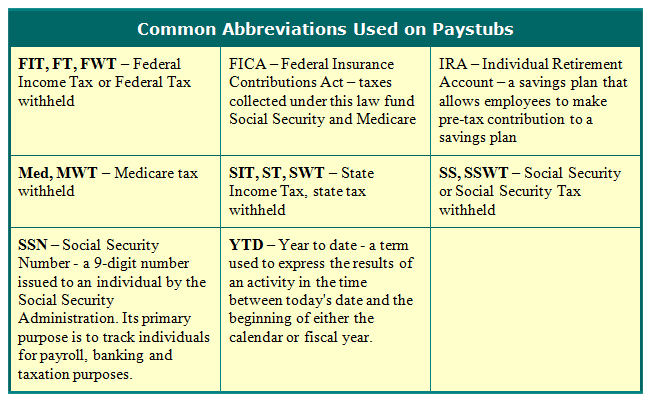
Paychecks are often printed on paper and mailed to employees. However, your employer may also deposit the check electronically in your bank account. You will also receive a paystub. This document shows a breakdown of your current and year-to-date income as well as deductions. Learning to read your paystub and understanding the information are important parts of managing your money. Paystubs come in many different formats; however, there are certain components that are found on all paystubs.
Sample Paystubs
 |
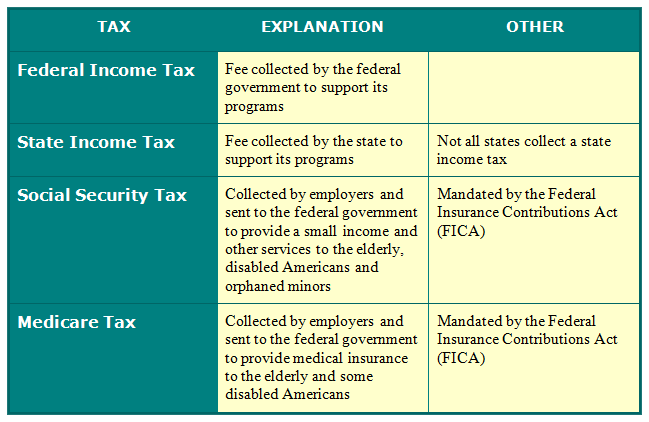
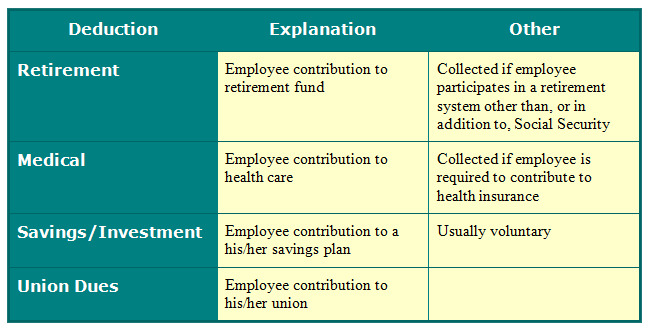
The total amount of money you earn is called gross income; the money you actually receive is called net income. The reason for the difference in figures is payroll deductions. This refers to money taken out of your paycheck for a variety of reasons, including taxes. Taxes are fees that support federal, state and local governments. Your paystub also notes any money that you are paying into Social Security and Medicare. A portion of your salary may also go to health care contributions or retirement savings. The charts below provide additional information concerning this significant aspect of your paycheck.
Paycheck Tax Deductions
 |
Other Possible Paycheck Deductions
 Deductions (03:26)
 |
Along with earnings and deductions, paystubs may also list the following:
Leave Time: Vacation hours and sick leave hours are usually included on your paystub. Most employers will detail how many hours have been used to date and how many hours are remaining for the calendar year.
Important Notices: Employers often use a portion of the paycheck stub to communicate important pieces of information to their employees such as wage increases, or notifications about tax filings.
 |
Let’s practice reading a paystub.
Raymond’s Paystub
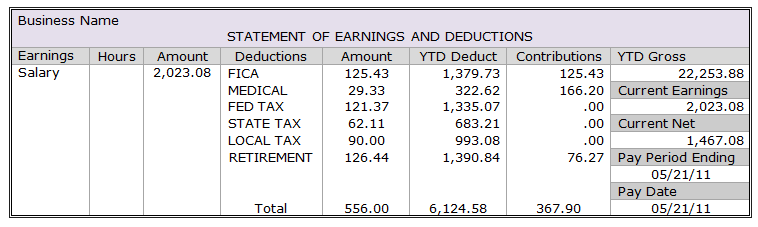 |
Open document Raymond’s Paystub and follow directions on the document. The document is an Adobe Acrobat file. Click on the pencil icon to open the document. Save the document to a folder on the computer; then enter answers in the textboxes.
 Raymond’s Paystub
Check your work by opening document Raymond's Paystub – Check Sheet.