The Future of Forensic Science
What
does the future hold for Forensic Science?
Forensic science has come a
long way in the past 100 years. For example, fingerprints that were once only
able to be detected by dusting can now be spotted by lasers, LED devices, and
other high-tech methods. Forensic scientists no longer need to spend hours
comparing fingerprints from a crime scene with a stack of prints pulled from
the file cabinet. They now use automated fingerprint identification systems to
quickly match crime scene prints with those on file.
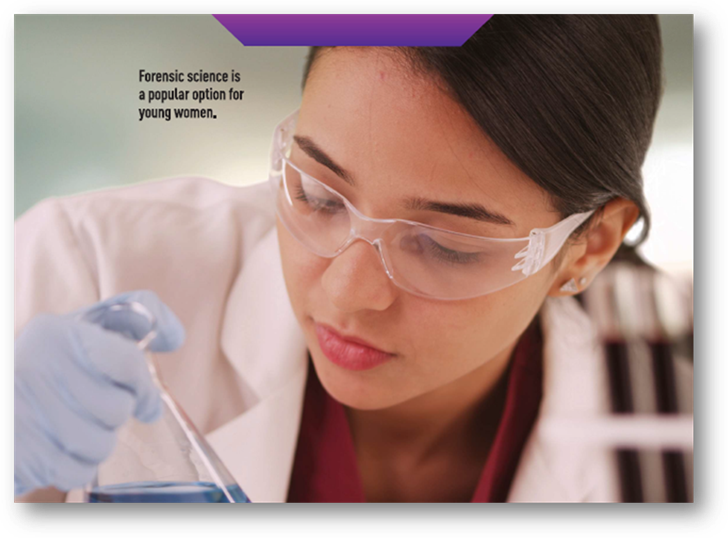
Figure 1- Forensic Science Textbook
Ways
that Technology and Science will Change the Field in the Future
1. Portable forensic labs will be widely used
at crime and accident scenes.
2. Evidence will increasingly be collected
from smartphone interaction with entertainment and telematic systems in
vehicles.
3. Virtual autopsies will become increasingly
popular because they are non-invasive and do not damage the body or evidence.
Conclusion
Can you see yourself using the latest
cutting-edge scientific techniques and technology to solve crimes or determine
why an airplane crashed? Do you enjoy solving problems? Are you looking for a
career with good pay and excellent job prospects? If so, then a career as a
forensic scientist could be in your future. Talk to forensic scientists and
technicians about their careers, use the resources of professional
organizations, attend forensic science camps, collect fingerprints, conduct
science experiments, and investigate a mock crime scene to build your skills.
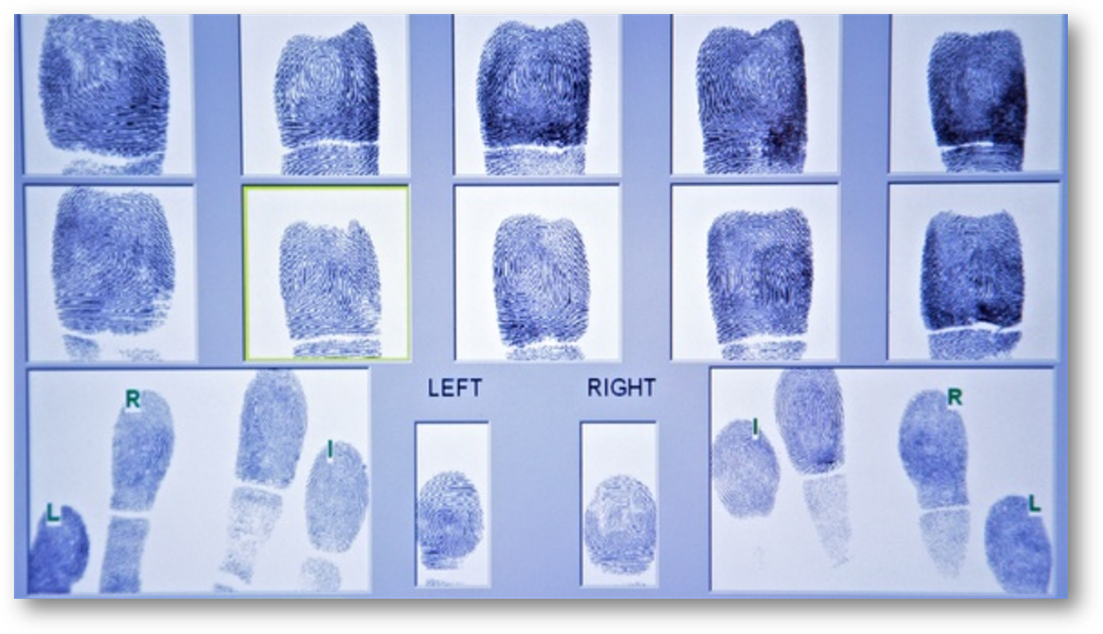
Figure 2- Discovery Education
 Complete the questions for this section.