
Professionalism
Mental Processes and Organizational
Skills
Mental Processes
Imagine your brain as a bustling office where different
departments must collaborate efficiently to run a successful business. The department
manager ensures tasks are prioritized, resources are allocated correctly, and problems
are addressed promptly. In our brains, this manager is what we refer to as
"executive functioning skills." These skills are essential for
planning, organizing, and executing tasks, and they're crucial to showcasing
professionalism in any job or workplace.
 |
Self-Regulation
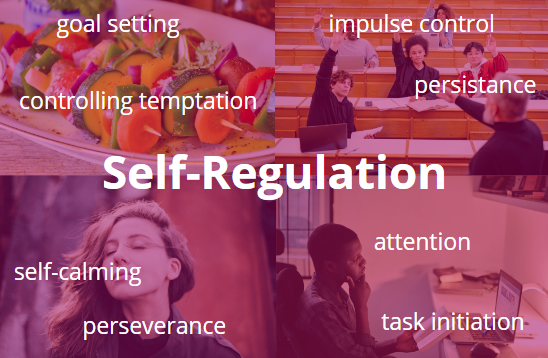
Self-regulation controls thoughts, emotions, and behaviors,
aligning them with long-term goals and values. In a professional context, this
means:
·
Dedication: When faced with a challenging task,
self-regulation allows you to remain focused and committed.
·
Perseverance: Even when tasks get tough or
monotonous, self-regulation ensures you push through to completion.
·
Positive Work Ethic: By keeping impulses and distractions
in check, self-regulation helps maintain a consistent and positive approach to
work.
 |
Working Memory
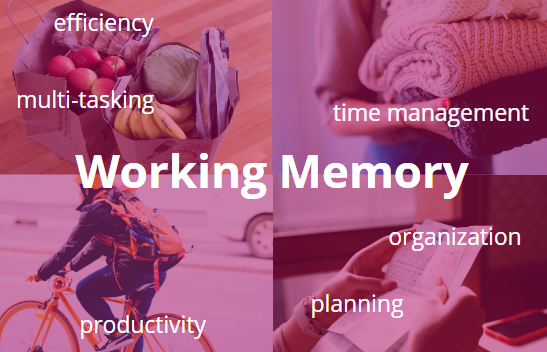
Think of working memory as a mental sticky note. It holds
crucial information temporarily, aiding in:
·
Organization: Remembering tasks, meetings, and
responsibilities helps ensure nothing falls through the cracks.
·
Time Management: By recalling deadlines and
priorities, working memory aids in distributing time efficiently.
·
Productive Work Habits: When you remember feedback,
instructions, or past mistakes, you can adapt and work more effectively.
 |
Flexible Thinking
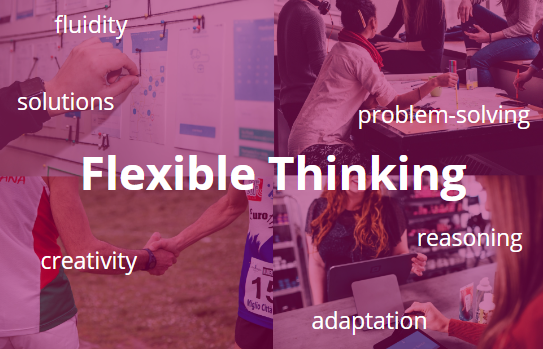
Life, especially in the workplace, is unpredictable. New
problems can arise, plans can change, and adaptability becomes vital. This is
where flexible thinking comes into play.
·
Problem Solving: When faced with a challenge,
flexible thinking allows you to think outside the box and find innovative
solutions.
·
Decision Making: In situations with no clear answer,
flexible thinking lets you weigh multiple options and select the best action.
· Adaptability: As job roles evolve and industries shift a flexible mindset ensures you remain a valuable, contributing team member.
 |
Executive functioning skills, including self-regulation,
working memory, and flexible thinking, are foundational pillars of
professionalism. They enable individuals to navigate the complexities of the
workplace efficiently and stand out as dedicated, organized, and adaptable
professionals. By understanding and honing these skills, students are better
prepared to excel in any job function or professional environment they choose.
Organizational Skills
 |
In the vast realm of the professional world, some skills
transform ordinary workdays into tales of triumph. Among them, organizational
skills stand tall. These are not merely about keeping a tidy desk but about
orchestrating a symphony of productivity and efficiency. Let's dive into the
nuances of these skills and understand their crucial role in a successful
career.
The Three Pillars of Organizational Excellence
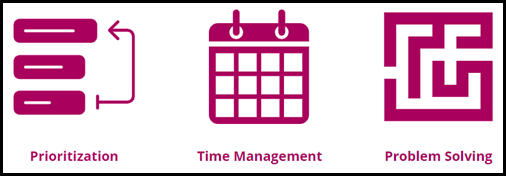 |
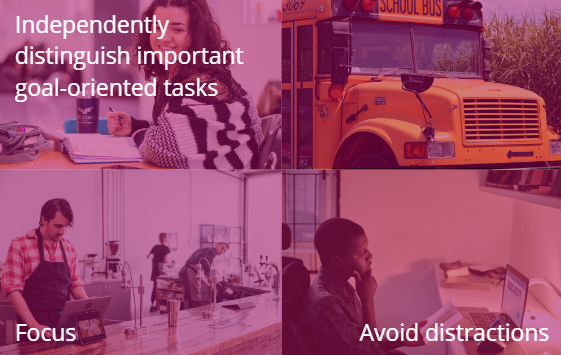
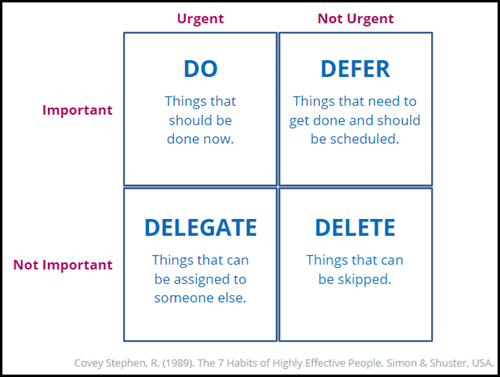
1. Prioritizing Tasks: Just as a maestro leads an orchestra, prioritizing determines the sequence and importance of tasks. Ask yourself: What's urgent? What's essential? The answers guide your daily to-do list and allow you to tackle tasks in a structured manner, ensuring that no note remains unheard.
 |
2.
Time Management Tools: The clock is both an ally and an
adversary. Tools like calendars, task lists, and digital apps (such as Trello
or Notion) can become your best friends. You manage your time by setting
reminders, allocating time slots for specific activities, and breaking projects
into manageable chunks.
 |
3.
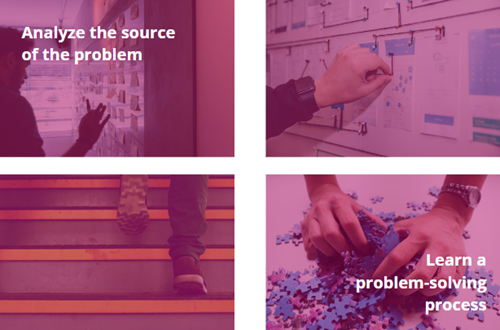
Problem-Solving Techniques: Challenges are inevitable. But with
a toolkit of problem-solving strategies, you can navigate through them.
Techniques such as brainstorming, SWOT analysis (Strengths, Weaknesses,
Opportunities, Threats), and the five-whys method can be particularly
effective.
 |
Positive Work Ethic: More Than Just Hard Work
·
Punctuality: Being on time is a silent statement
of respecting others' time. It's a hallmark of professionalism that doesn't go
unnoticed.
·
Attendance: Consistent physical and mental
presence speaks volumes about your commitment.
·
Task Execution: When given a task, executing it with
dedication and as directed showcases reliability and respect for authority.
Meeting Employer Expectations
In the professional orchestra, your employer is often the
chief conductor. To be in sync:
·
Efficient Planning: Lay out your tasks, set milestones,
and map out your journey towards completion.
·
Adherence to Schedules: Time is a precious commodity in the
workplace. Following set schedules ensures the entire team remains in harmony.
·
Deadline Management: Deadlines are not mere dates but
commitments. Meeting them consistently builds trust and showcases your
dedication.
Decision Making: The Power of Problem-Solving
Every decision, big or small, has ripples. Effective
problem-solving involves:
·
Analyzing the Situation: Understand the challenge at hand.
What's the root cause? What are the potential solutions?
·
Evaluating Choices: Weigh the pros and cons of each
solution. Consider potential impacts, both immediate and long-term.
·
Making an Informed Decision: Choose a solution that aligns with
both immediate needs and long-term goals. Post-decision, evaluating the
outcomes and adjusting strategies if needed is essential.
Building organizational skills is more than just a checklist
for a job. It's the blueprint for a rewarding and successful career. By
mastering these skills, you set the stage for professional excellence and become
a valued contributor in any workplace orchestra you join.
Please proceed with the following steps in your Work Readiness Skills learning module:
1. Log in to the Work Readiness Skills module.
2. Once logged in, click the 'view lesson'
icon.

3. Watch the Interactive Video
provided.
4. Go through and read the Lesson
Transcripts.
5. Complete all the Unit Questions and
ensure you submit them.
If you have any questions or clarifications, contact your
teacher.